.png)


In today’s world, financial independence is a goal that many aspire to achieve. It’s about having the freedom to live life on your own terms, without the constraints of debt, dependence on a salary, or the fear of financial instability. Wealth management plays a crucial role in helping individuals realise this dream, providing the tools, strategies, and knowledge needed to build, preserve, and grow wealth over time.
The concept of financial independence (FI) has become increasingly popular in recent years, with many seeking ways to achieve it as early as possible. While the traditional path of working until retirement age has been the norm for generations, more people are now realising that it is possible to retire early or attain financial independence at any age by making the right financial decisions and adopting a disciplined approach to wealth management.
This article delves into the intersection of wealth management and financial independence, exploring the various strategies and techniques that can help individuals achieve FI. From budgeting and saving to investing and reducing debt, we will discuss the steps you can take to pave the way for a financially independent future. We will also cover the importance of mindset, goal-setting, and maintaining flexibility as you pursue your financial freedom.
At its core, financial independence means having enough personal wealth to cover your living expenses for the rest of your life without needing to rely on earned income. Achieving financial independence is often seen as the ability to support oneself through passive income sources such as investments, rental income, or business profits, rather than having to work for a salary.
Financial independence can be achieved at any age, depending on an individual’s lifestyle, savings rate, and long-term goals. While some may aim for early retirement (often referred to as FIRE – Financial Independence, Retire Early), others might simply seek to ensure that they no longer rely on a job to meet their daily financial needs. The ultimate goal is to have financial freedom, where your wealth works for you and provides the security needed to enjoy life without constant financial pressure.
There are several levels of financial independence, from reaching a state where your basic expenses are covered to achieving wealth beyond what is necessary for a comfortable life. Regardless of the level you’re aiming for, the principles of wealth management remain the same: save, invest wisely, reduce debt, and plan for the future.
Wealth management involves the systematic management of an individual’s financial resources to meet long-term goals. For those pursuing financial independence, wealth management is an essential tool in designing and executing a strategy that maximises savings, minimises debt, and grows wealth over time.
There are several components of wealth management that are crucial for achieving financial independence:
Saving and Budgeting
The foundation of financial independence lies in your ability to save a significant portion of your income. However, saving alone is not enough – it is equally important to budget effectively, ensuring that you are not spending more than you need to. Wealth management strategies help individuals create and stick to a realistic budget that prioritises savings, reduces unnecessary expenses, and ensures that every pound saved is working towards your goal of financial independence.
Investing
Once you have saved a sufficient amount, the next step is to invest those savings in a way that grows your wealth. Investing in a variety of asset classes – including stocks, bonds, real estate, and other alternative investments – allows your money to compound and generate returns. Effective wealth management takes into account your risk tolerance, time horizon, and financial goals to develop a diversified investment strategy that accelerates the growth of your wealth.
Debt Management
One of the biggest obstacles to achieving financial independence is debt. High-interest debts, such as credit card balances or personal loans, can drain your finances and prevent you from building wealth. Wealth management involves strategically managing and reducing debt to free up more resources for saving and investing. By eliminating high-interest debts and creating a sustainable repayment plan, you can accelerate your path to financial independence.
Tax Planning
Effective tax planning is another key aspect of wealth management. In the UK, tax efficiency can significantly impact your ability to grow wealth and reach financial independence. Making use of tax-efficient savings accounts such as ISAs (Individual Savings Accounts), pensions, and other investment vehicles can help reduce the amount of tax you pay on your earnings and capital gains, allowing you to keep more of your wealth.
Risk Management
While building wealth is essential, it is equally important to protect it. Insurance and other risk management strategies help safeguard your assets against unforeseen events. A comprehensive wealth management strategy includes provisions for life insurance, critical illness cover, and property insurance, ensuring that you are protected from financial setbacks that could hinder your journey to financial independence.
Estate Planning
Estate planning is a vital part of wealth management, especially as you build substantial wealth. Ensuring that your assets are distributed according to your wishes in the event of your death not only provides peace of mind but also helps protect your wealth for future generations. Proper estate planning also includes making use of tax allowances and exemptions to minimise inheritance tax and ensure your wealth continues to grow and benefit your loved ones.
Achieving financial independence is a process that requires careful planning, commitment, and discipline. Below are some key steps you can take to set yourself on the path to financial freedom.
The first step in achieving financial independence is to establish clear financial goals. Without clear objectives, it becomes difficult to create a plan that moves you towards financial freedom. These goals should be specific, measurable, achievable, relevant, and time-bound (SMART). For example, your goal might be to save a specific amount each year or to reach a certain level of passive income within five years.
It’s important to define your desired lifestyle, as this will determine the amount of money you need to achieve financial independence. Are you aiming for early retirement, or do you simply want to reduce reliance on your job? Understanding your goals will help shape your wealth management plan and provide you with the motivation to stay on track.
One of the most effective ways to achieve financial independence is by maximising your savings rate. The higher the percentage of your income that you save and invest, the faster you will accumulate wealth. Many individuals who achieve financial independence do so by saving a significant portion of their income, sometimes 50% or more, and investing it wisely.
To maximise your savings rate, start by tracking your income and expenses. Look for areas where you can cut back and prioritise saving. Automating your savings by setting up direct transfers to savings or investment accounts can make the process easier and ensure that you are consistently putting money towards your goal.
Investing is a key pillar of wealth management and financial independence. Once you have saved enough capital, it’s important to invest it in a diversified portfolio that grows over time. Diversification reduces risk by spreading investments across different asset classes and sectors. Depending on your risk tolerance, you can invest in a combination of equities, bonds, real estate, and other alternative investments.
Long-term investing, such as contributing to a pension plan or investing in an index fund, can yield compounding returns, accelerating your wealth accumulation. The earlier you start investing, the more time your investments have to grow.
Debt can be a major obstacle to achieving financial independence. High-interest debt, in particular, can hinder your ability to save and invest effectively. To achieve financial freedom, focus on eliminating debt as quickly as possible. Start by paying off high-interest debts like credit cards, then work your way down to lower-interest debts.
Debt management is an important component of wealth management, as it frees up more of your income for saving and investing. Creating a debt repayment plan and sticking to it will bring you one step closer to achieving financial independence.
While saving and investing are key, it’s also important to consider ways to increase your income. Many individuals who achieve financial independence do so by building multiple income streams. This might include side jobs, freelance work, rental income, or dividends from investments.
Having multiple income streams provides financial security and allows you to grow your wealth more rapidly. It also offers protection in the event that one source of income becomes unstable.
While it’s important to have a plan for achieving financial independence, it’s equally important to remain flexible. Life is unpredictable, and your goals, income, or expenses may change over time. Maintaining financial flexibility means adapting your wealth management strategy as needed to stay on track with your goals.
Regularly reviewing your financial situation, goals, and progress will help you stay aligned with your path to financial independence.
Achieving financial independence through wealth management is an empowering and achievable goal for anyone willing to put in the work. By setting clear goals, maximising savings, investing wisely, reducing debt, and diversifying income sources, you can lay the foundation for a financially free future.
The journey towards financial independence requires discipline, patience, and a well-structured plan, but with the right wealth management strategies in place, it is entirely within your reach. Whether you aim for early retirement or simply wish to achieve financial freedom, wealth management will play a crucial role in helping you realise your dreams.
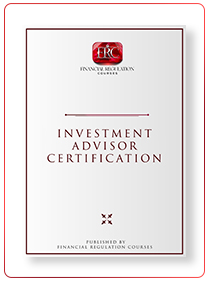
If you want to deepen your knowledge of wealth management and investment strategies, consider exploring the Investment Advisor Certification Guide. This resource provides valuable insights into building a comprehensive financial strategy that aligns with your goals of financial independence.
By staying focused on your goals, making informed financial decisions, and seeking professional advice when necessary, you can confidently move towards a future of financial freedom and security.
This article provides an in-depth explanation of how wealth management can guide individuals towards financial independence. With careful planning, discipline, and the right strategies, anyone can work towards achieving financial freedom.
Be the first to know about new class launches and announcements.



Financial writer and analyst Ron Finely shows you how to navigate financial markets, manage investments, and build wealth through strategic decision-making.
See why leading organizations rely on FRC for learning & development.