.png)


Early retirement is no longer a distant dream reserved for the fortunate few, but a tangible goal for a growing number of people. With the right planning, dedication, and smart financial strategies, retiring early has become a goal achievable by many who previously thought such aspirations were out of reach. Early retirement offers the freedom to leave the traditional workforce behind and explore other passions, travel, or spend more time with loved ones. However, to make this dream a reality, one must be proactive about wealth management and carefully strategise for a comfortable life post-retirement.
Wealth management for early retirement planning involves more than simply saving a portion of income every month. It requires a comprehensive strategy that includes investments, tax planning, risk management, and aligning one's financial decisions with long-term objectives. Early retirees must account for several key factors, such as the need to generate a sustainable income for potentially decades and the impact of inflation on purchasing power over time. Furthermore, since retirement may come earlier than expected, individuals must prepare for the possibility of having to navigate the complexities of healthcare, insurance, and tax laws before reaching the state pension age.
In this article, we will explore the essential steps for planning an early retirement, from calculating how much you will need to retire comfortably to designing an investment portfolio that aligns with your goals. By understanding the key components of wealth management, you can set yourself up for financial independence and enjoy the freedom to retire when you choose, without worrying about outliving your savings.
The notion of early retirement has gained significant traction in recent years, particularly with the rise of the FIRE movement (Financial Independence, Retire Early), which advocates for extreme saving and investing in order to achieve financial independence at an early age. However, to retire early and sustain a comfortable lifestyle, it's crucial to start planning well in advance. Early retirement planning is not just about saving; it's about creating a robust financial plan that will grow your wealth efficiently while ensuring that you can comfortably live off it for decades after you stop working.
The key to planning for early retirement is understanding how much money you will need. For many, the first step is to determine the target amount needed for retirement. An important rule of thumb here is the 25x rule, which suggests that you should aim to have saved 25 times your annual expenses by the time you retire. For example, if you plan to spend £30,000 a year in retirement, you would need a retirement fund of £750,000 (£30,000 x 25). This rule gives a solid target and ensures that you are financially prepared for a life without regular employment income.
The time factor also plays an essential role in early retirement planning. The earlier you begin saving and investing, the more time your money has to grow through compound interest. Compound interest allows your wealth to expand exponentially, meaning the longer you wait to start, the harder it becomes to accumulate sufficient funds for an early retirement. Starting in your 20s or 30s can make a significant difference, but even if you're further along in your career, it's still possible to retire early with the right approach.
One of the first steps in planning for early retirement is building a savings plan that ensures you are putting enough aside each month. Your savings plan should begin with a clear understanding of your financial goals, including how much you need to save and how much risk you're willing to take with your investments. Setting these goals early on helps provide direction and makes it easier to stay disciplined in your approach.
A detailed budget is essential for identifying areas where you can cut back on spending and redirect those funds toward your retirement savings. Reducing discretionary spending on non-essential items—such as expensive meals out, luxury goods, or frequent holidays—can allow you to ramp up your retirement savings rate. Once you have a solid understanding of your expenses, you can focus on saving a percentage of your income each month. Many early retirees save 50% or more of their income, especially in the early years when they are still working.
It's important to remember that building wealth for early retirement involves more than just putting money into a savings account. You must also consider how to invest that money so it can grow over time. Simply saving your money in a bank account may seem safe, but it won’t allow you to achieve the necessary returns to retire early. A key component of early retirement planning is identifying the right investment strategies to help you accumulate wealth more efficiently.
The backbone of any successful early retirement plan is smart investing. As opposed to simply saving, investing allows your money to grow faster and generate returns that will help you reach your retirement target sooner. The right investments can help you grow your wealth significantly, but it’s essential to ensure that the investments you choose align with your goals and risk tolerance.
For many early retirees, investing in a diversified portfolio of stocks, bonds, and other financial instruments provides a balanced approach that can achieve solid returns while mitigating risk. Equities, or stocks, are one of the most common investment vehicles for those planning for early retirement. Stocks have the potential to generate higher returns over time, though they also come with a higher level of volatility. Diversifying your stock holdings by investing in index funds or exchange-traded funds (ETFs) that track the performance of broader markets can reduce individual stock risks and provide consistent returns.
In addition to equities, bonds are another essential component of a balanced investment strategy. Bonds tend to be lower risk and can provide steady income, making them an excellent choice for later in retirement when the need for a stable income stream becomes more pressing. However, due to their lower returns, bonds should generally make up a smaller proportion of your portfolio in the early years of your retirement planning. Over time, you can gradually increase your bond allocation to preserve capital and reduce risk as you approach retirement.
Real estate is also an effective asset class for those seeking to retire early. Owning rental properties can provide a passive income stream, which is particularly useful for early retirees looking to replace their traditional salary. Additionally, real estate can appreciate over time, further increasing your wealth. However, it’s important to factor in the costs of managing property, such as maintenance, taxes, and the time commitment involved in managing tenants.
One of the most significant advantages of investing for early retirement is the power of tax-advantaged accounts. Using accounts such as Individual Savings Accounts (ISAs), pensions, and other tax-efficient investment vehicles can help you reduce your tax burden and allow your investments to grow faster. The earlier you start using these accounts, the greater the tax benefits you’ll receive over time. Furthermore, tax-efficient withdrawals in retirement can help you avoid penalties and maximise your income during retirement.
Healthcare is often one of the most significant concerns for early retirees, especially since state-provided healthcare benefits generally don’t kick in until later in life. In the UK, the state pension and NHS benefits typically don’t come into play until the age of 66 (and may increase further in the future). Therefore, you’ll need to make provisions for healthcare costs in the years leading up to this.
In addition to healthcare, other forms of insurance—such as life insurance and long-term care insurance—should be considered in your early retirement planning. It’s vital to account for the possibility of health issues or accidents in the future, as these can quickly deplete your savings if you are not adequately covered. Having a strong insurance plan in place can provide peace of mind and ensure that you are financially protected against unexpected events.
Wealth management for early retirement requires careful planning, discipline, and a focus on long-term goals. By starting early, setting clear goals, and adhering to a solid financial plan, you can achieve financial independence and retire sooner than you ever thought possible. The right investment strategy, a diversified portfolio, tax-efficient planning, and understanding your future healthcare needs are all essential components of the journey toward early retirement. With the help of a skilled wealth manager, you can optimise your financial plan and ensure that your retirement dreams become a reality.
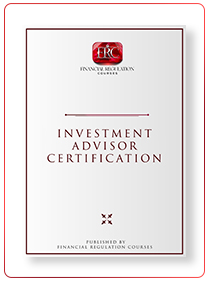
For those seeking to refine their knowledge and skills in wealth management, the Investment Advisor Certification Guide offers a comprehensive resource for understanding the intricacies of financial planning, investment strategies, and more.
Be the first to know about new class launches and announcements.


Financial writer and analyst Ron Finely shows you how to navigate financial markets, manage investments, and build wealth through strategic decision-making.
See why leading organizations rely on FRC for learning & development.