.png)


In the fast-paced world of wealth management, the landscape is shifting dramatically. Technology has always been a key component in financial services, but the rise of Artificial Intelligence (AI) is now driving a profound transformation. From investment strategies to personalised client interactions, AI is reshaping how wealth management firms deliver services and how clients experience financial planning. The ability to harness AI for deeper client insights is proving to be a game-changer, leading to more tailored investment advice and enhanced client satisfaction.
Wealth management has traditionally been about the relationship between advisors and clients. Historically, advisors have used their expertise to guide clients through complex financial landscapes, managing portfolios and offering strategic advice based on market trends, client risk tolerance, and long-term goals. However, as the financial services industry has evolved, so too have the tools available to wealth managers.
The rise of AI has introduced new possibilities for improving the efficiency, accuracy, and effectiveness of wealth management services. AI-powered technologies can analyse vast amounts of data at speeds far beyond human capability, uncovering patterns and insights that were previously difficult to identify. This has led to a new era of personalised investment strategies, where the client’s financial goals, behaviours, and preferences can be more precisely matched with investment opportunities.
AI has opened up new frontiers for wealth management by enabling more sophisticated data analysis, automated financial planning, and predictive analytics. Wealth managers can leverage AI tools to analyse clients' financial situations more thoroughly, assess risk, and propose strategies that align with their goals. By automating routine tasks, AI frees up wealth managers to focus on higher-level strategy and client relationships.
One of the most notable applications of AI in wealth management is in the realm of client insights. Traditionally, wealth managers relied on their knowledge of a client’s financial situation, combined with historical market data, to make informed decisions. Now, AI can augment this process by processing not only historical data but also real-time data, behavioural patterns, and even external factors such as geopolitical events or climate change.
This ability to leverage vast datasets has allowed wealth managers to offer more personalised recommendations and develop highly tailored investment strategies. AI-driven tools can assess a client’s risk tolerance, investment preferences, financial goals, and even their emotional responses to different market scenarios. With this information, wealth managers can make more informed decisions and offer advice that is far more aligned with a client’s true needs and preferences.
In wealth management, client engagement has always been a key factor in building long-term relationships. AI is now enhancing this by providing wealth managers with deeper insights into their clients’ behaviours, preferences, and expectations. By analysing client interactions, AI can uncover trends and predict future needs. This enables wealth managers to proactively address concerns, offer personalised advice, and even anticipate potential issues before they arise.
One of the most powerful features of AI is its ability to provide predictive analytics. By analysing past behaviours, AI can forecast future actions, such as potential changes in spending habits or investment preferences. This allows wealth managers to anticipate a client’s next move and proactively adjust their strategy to align with these anticipated changes.
AI can also enhance client communication by automating routine inquiries and tasks. For example, AI-powered chatbots can answer client questions about account balances, transaction histories, or investment performance in real-time, freeing up wealth managers to focus on more complex tasks. This automation improves the overall client experience by offering immediate responses to simple queries, allowing clients to receive the information they need quickly and efficiently.
Personalisation has always been a central tenet of wealth management, with advisors tailoring their services to each client’s unique financial situation. However, achieving true personalisation can be challenging, especially when managing large numbers of clients. AI makes personalisation easier and more effective by enabling wealth managers to create highly customised strategies for each client based on a vast array of data points.
AI algorithms can process data from multiple sources, including client portfolios, financial goals, risk tolerance, and even social media activity. This data is then used to create a comprehensive profile of the client, allowing wealth managers to develop a bespoke investment strategy that meets the individual’s specific needs.
For example, AI can analyse a client’s investment history, preferences, and risk appetite to recommend a portfolio that is better suited to their objectives. It can also offer insights into potential tax implications, estate planning strategies, and other aspects of wealth management that can help clients achieve their long-term goals.
Additionally, AI-driven tools can assist in adjusting these strategies in real-time, adapting to changes in the market, economic conditions, or the client’s personal circumstances. This dynamic approach ensures that clients always receive the most relevant and up-to-date advice, improving both the investment strategy and the client experience.
Risk management is a crucial component of wealth management. Traditionally, risk was assessed using historical data and expert judgement. While this approach remains important, AI has introduced more sophisticated ways of predicting and mitigating risk.
Predictive analytics, powered by AI, allows wealth managers to forecast potential risks based on a wide range of variables. By processing large amounts of data in real-time, AI can identify emerging risks that may not be immediately apparent to human analysts. These risks can be related to market fluctuations, changes in client circumstances, or even global events that could impact investments.
AI-powered risk management tools can provide wealth managers with early warnings of potential problems, allowing them to take proactive measures to mitigate these risks. This could involve adjusting a client’s portfolio to reduce exposure to high-risk assets, recommending alternative investment strategies, or advising clients on the potential impacts of certain market events.
In addition, AI can help wealth managers understand a client’s unique risk tolerance and offer advice that aligns with their comfort level. By using machine learning algorithms to analyse a client’s historical decisions and behaviour, AI can determine the level of risk a client is willing to take and adjust investment recommendations accordingly.
As AI continues to evolve, its impact on wealth management is expected to grow even more profound. While AI is already making significant strides in enhancing client insights and improving investment strategies, there are still many untapped opportunities in this space. Future developments in AI technology will likely lead to even more advanced tools that can offer deeper, more nuanced insights into client needs and preferences.
For example, we can expect AI to become more adept at understanding complex client emotions and behaviours. By incorporating natural language processing (NLP) and sentiment analysis, AI could better understand how clients feel about their investments and adjust strategies accordingly. This could further enhance client satisfaction and improve the overall wealth management experience.
Furthermore, AI is likely to play an increasingly important role in sustainable investing and environmental, social, and governance (ESG) factors. With a growing focus on sustainability and ethical investing, AI could help wealth managers analyse ESG data and identify investment opportunities that align with a client’s values and objectives.
Finally, as AI becomes more integrated into wealth management, we may see a greater shift towards robo-advisors and fully automated investment platforms. While human wealth managers will always play a key role in providing personalised advice, AI could enable more clients to access affordable, high-quality wealth management services without the need for traditional face-to-face interactions.
The integration of AI-powered tools into wealth management strategies is no longer just a luxury; it has become a necessity for firms looking to stay competitive in an increasingly digital world. Wealth managers who fail to adopt these technologies risk being left behind as clients demand more personalised, data-driven services.
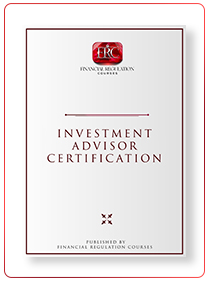
One of the ways wealth managers can incorporate AI into their strategies is through investment advisor certifications. Investment advisors can enhance their ability to leverage AI-driven insights by gaining expertise in AI-powered tools and data analysis. This ensures that advisors are equipped with the skills and knowledge necessary to incorporate AI into their strategies effectively.
By understanding the fundamentals of AI and how to apply it within the context of wealth management, advisors can better serve their clients and make more informed investment decisions. For more detailed guidance on becoming an investment advisor and understanding how to utilise AI tools, refer to the Investment Advisor Certification Guide.
The fusion of AI-powered insights with wealth management practices represents a monumental shift in the industry. By leveraging AI tools to analyse vast amounts of data, wealth managers can offer more personalised, data-driven advice that better aligns with clients’ unique goals and preferences. AI also enables wealth managers to automate routine tasks, providing faster, more efficient services, and enhancing the overall client experience.
Moreover, AI’s predictive analytics and advanced risk management capabilities offer a new level of sophistication in financial planning. By anticipating market trends and client needs, AI can help wealth managers stay one step ahead, providing proactive advice and mitigating potential risks before they become significant issues.
As AI technology continues to evolve, its role in wealth management will only become more central. Wealth managers who embrace AI will be able to offer more value to their clients, providing more precise, tailored strategies and fostering stronger relationships built on trust and understanding.
Incorporating AI-powered tools into wealth management strategies is not just about improving efficiency or staying ahead of the competition. It is about creating a more personalised, dynamic, and forward-thinking approach to managing wealth—one that meets the changing needs of today’s clients while anticipating the demands of the future.
Ultimately, the future of wealth management lies in the seamless integration of human expertise and AI-powered insights. As these two forces work together, they will redefine the wealth management landscape, offering clients the most advanced, personalised, and effective financial strategies available.
Be the first to know about new class launches and announcements.


Financial writer and analyst Ron Finely shows you how to navigate financial markets, manage investments, and build wealth through strategic decision-making.
See why leading organizations rely on FRC for learning & development.