.png)


 Client retention is a critical aspect of any investment advisor’s success. The ability to not only attract new clients but also retain existing ones is essential for sustained business growth and profitability. While acquiring new clients is important, maintaining long-term relationships with existing clients is often the key to continued success.
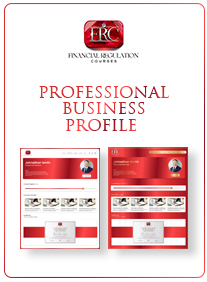
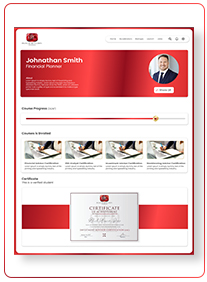
Investment advisors must navigate a complex environment, balancing the demands of providing excellent investment advice, maintaining open lines of communication, and addressing client concerns. In this guide, we will explore key strategies for client retention, including communication techniques, relationship-building practices, and how to demonstrate value over time. A great way to ensure that you start your client relationship is through our professional membership profiles it ensures that your client has a full understanding of your professional standing in a sleek and stylish private digital business card which is completely advertisement free keeping your relationship private and confidential.
Client retention plays a pivotal role in the long-term sustainability of any advisory practice. According to several studies, acquiring new clients can cost five to seven times more than retaining an existing one. With competition in the financial services industry growing, particularly among digital platforms and robo-advisors, retaining clients has never been more crucial.
A loyal client base provides a steady stream of revenue, the opportunity for referrals, and the chance to build deeper relationships over time. In the investment advisory business, clients with long-term relationships are more likely to trust their advisors with complex financial decisions, including estate planning, tax strategies, and retirement solutions.
Furthermore, satisfied clients are more likely to refer their advisor to friends, family, and colleagues, which can help grow the business organically. By cultivating client retention, advisors can create a more predictable and stable source of income.
To retain clients effectively, it is important to understand their expectations and needs. While some clients seek high returns, others may prioritise stability and risk management. As an investment advisor, tailoring your services to meet these individual needs will go a long way toward building trust and loyalty.
Transparency is essential. Clients expect their investment advisor to communicate openly and clearly, especially when discussing complex financial topics. This means explaining investment strategies, market conditions, and any changes to the portfolio in a way that clients can easily understand.
Regular updates and clear communication regarding the performance of their portfolios will reassure clients and build trust over time. Not every client needs to be contacted every week, but maintaining consistent communication, whether through monthly or quarterly reports, ensures that clients feel engaged and informed.
Set realistic expectations with clients from the beginning of the relationship. Be clear about potential risks, the time horizons needed for particular investments, and the level of risk that suits their financial goals. By managing expectations early on, you can avoid misunderstandings later in the relationship, which helps in retaining clients for the long haul.
Every client is unique, and the ability to offer tailored investment strategies is a key factor in client retention. Use your expertise to understand each client’s risk tolerance, financial objectives, and preferences, then craft a portfolio that reflects these values. This personal approach makes clients feel valued and ensures they see you as a trusted advisor rather than just a portfolio manager.
Trust is the cornerstone of any long-term client relationship. For investment advisors, establishing trust requires consistency, reliability, and a commitment to the client’s best interests. Here are some ways to build and maintain trust with clients:
Clients want an investment advisor who is dependable and consistent. Whether it's a portfolio review, a market update, or addressing a client’s concerns, it’s crucial that your clients can rely on you for timely and accurate information. When you provide regular and consistent services, clients will have confidence in your ability to manage their investments.
Transparency is key in building trust. Clients want to understand why certain decisions are being made and how those decisions align with their financial goals. Providing clear explanations of your investment strategies and how each decision supports their objectives ensures that clients feel in control and well-informed.
Taking the time to get to know your clients personally can deepen the relationship. A personal connection doesn’t mean becoming best friends, but it does involve understanding their broader financial picture, including any personal circumstances that may impact their financial situation. By showing genuine interest in their lives, advisors demonstrate that they care about the client as a person, not just as a source of income.
Investment decisions are often emotional, especially during market downturns. As an advisor, it's important to help clients navigate these emotions and avoid making impulsive decisions. Being a calming influence during times of market volatility and providing rational advice helps clients feel secure in your expertise.
Regular engagement with clients ensures they feel valued and connected to your services. There are several ways to keep the lines of communication open and encourage a more proactive relationship:
Arrange regular meetings with clients to review their portfolio’s performance, discuss any changes in their personal circumstances, and adjust their investment strategy as needed. These scheduled check-ins, whether in person or virtually, reinforce the idea that you are available and attentive to their needs.
Providing clients with valuable information, such as market insights, investment tips, or financial planning advice, helps establish your expertise and shows clients that you’re dedicated to their long-term success. By offering educational content, you can also engage clients who may feel uncertain about certain aspects of their financial planning.
Annual reviews are an excellent way to assess a client’s progress toward their financial goals. These meetings allow advisors to discuss the performance of their investments and make adjustments to reflect any changes in the client's life, such as marriage, children, or retirement. Annual reviews are an opportunity to build on your relationship and reinforce the value you provide.
Clients may have concerns or doubts about their investments, especially during periods of market uncertainty. It is essential for investment advisors to address these concerns promptly and professionally.
When clients express concerns, it is important to listen actively and empathetically. Take the time to understand their worries and ask questions to clarify any uncertainties. By demonstrating that you genuinely care about their concerns, clients will feel more comfortable discussing their issues with you.
Once you have listened to the client’s concerns, provide them with practical solutions. For instance, if a client is worried about the performance of a particular investment, you might suggest alternative strategies or reassess the portfolio to address their concerns. Clients appreciate advisors who not only listen but also provide actionable steps to address their issues.
During turbulent market periods, clients may experience anxiety. As an advisor, it is your role to provide reassurance, explaining that market fluctuations are a natural part of investing. Offering historical context, data, and research can help clients feel more confident about staying the course with their investment strategy.
To retain clients, it’s essential to continuously demonstrate the value you bring to their financial success. Here are a few ways to highlight the impact of your services:
Provide clients with regular reports that highlight the performance of their portfolio. These reports should focus not only on the returns but also on how the portfolio is aligned with their long-term financial goals. Be sure to explain the rationale behind your investment decisions and how they contribute to the client’s overall strategy.
Offer personalised financial planning services that go beyond just investment advice. Help clients with retirement planning, tax strategies, estate planning, and more. Providing a comprehensive approach to financial planning demonstrates your commitment to their overall financial well-being.
While short-term market fluctuations can be concerning, clients should be reminded of the long-term strategy and results. Regularly remind clients of the growth and benefits their portfolios have experienced over time. Reinforcing long-term success fosters confidence in your expertise and builds a stronger relationship.
In today’s digital age, technology plays a significant role in client retention. Advisors who leverage technology to streamline their operations and improve client communication are better positioned to enhance their relationships.
Offering clients access to an online portal where they can view their portfolio performance, track investments, and access reports helps them feel engaged and informed. A user-friendly platform that allows clients to check in on their investments at any time can increase satisfaction and trust.
Using tools like email newsletters, webinars, or video calls helps keep clients engaged without requiring them to visit your office. Regular updates and personalised messages via these channels can maintain a sense of connection and trust.
Advanced portfolio management software can provide clients with in-depth insights into their investments, allowing them to monitor their portfolio’s performance. This can help clients make more informed decisions and gives them confidence in your expertise.
Client retention is the foundation of a successful investment advisory business. By building trust, providing personalised services, and engaging with clients on a regular basis, advisors can create long-lasting relationships that are beneficial for both the advisor and the client.
Using technology and communication tools, addressing client concerns, and demonstrating the value of your services are all vital strategies in client retention. In a competitive market, investment advisors who focus on relationship-building and client satisfaction are more likely to build a loyal client base that provides long-term success.
Be the first to know about new class launches and announcements.


Financial writer and analyst Ron Finely shows you how to navigate financial markets, manage investments, and build wealth through strategic decision-making.
See why leading organizations rely on FRC for learning & development.